

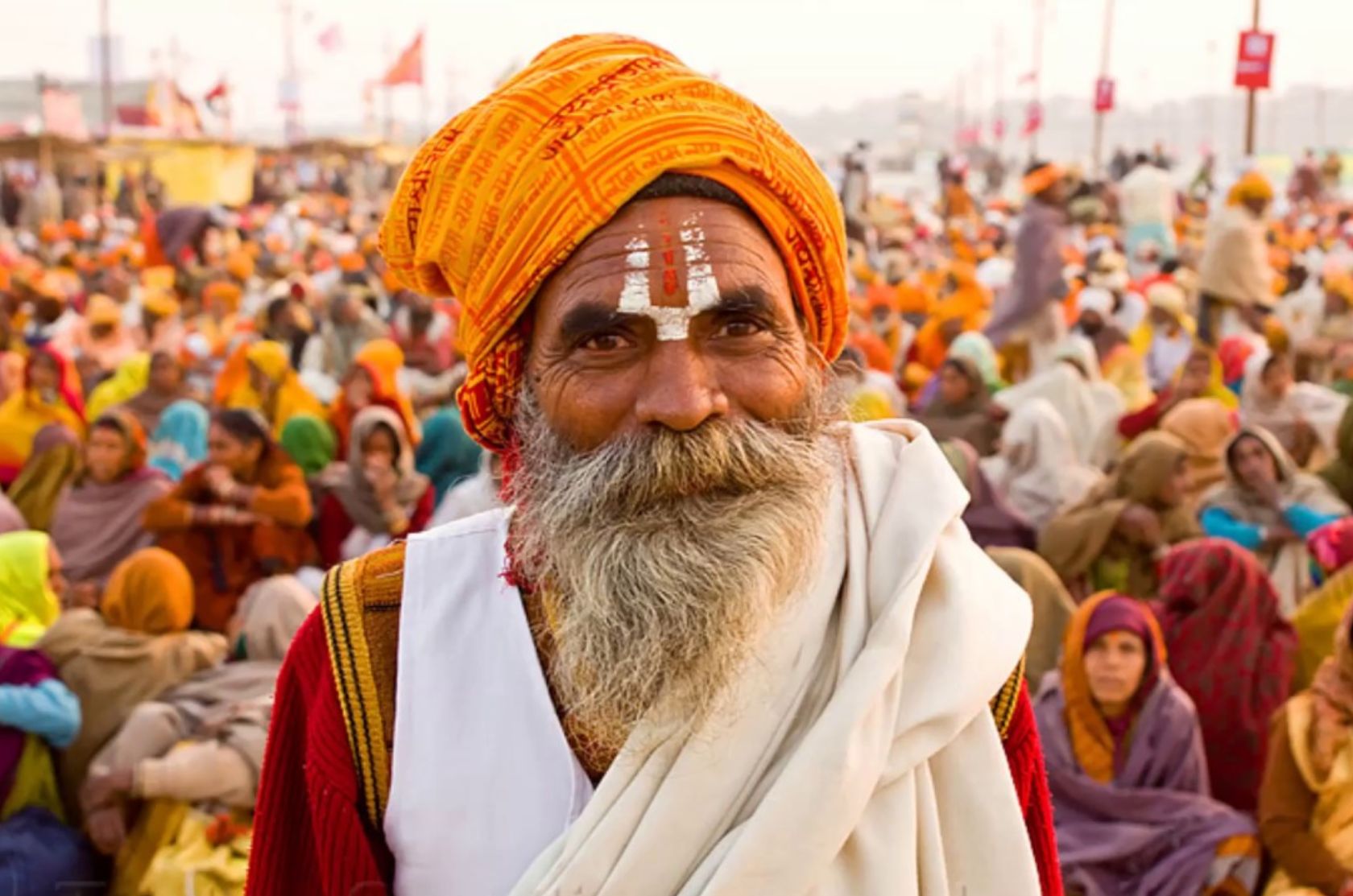
Hinduism, one of the world’s oldest religions, is deeply rooted in the cultural and spiritual heritage of India. With a history spanning thousands of years, it remains a vibrant and living faith, shaping the lives of millions of people across the globe.
Hinduism does not have a single founder or a specific date of origin. Instead, it evolved over centuries, absorbing diverse beliefs, customs, and practices. At its core, Hinduism embraces the concept of Dharma – the moral and ethical duties individuals must follow to maintain harmony in the universe.
The religion acknowledges a vast pantheon of deities, each representing different aspects of the divine. Major deities include Brahma (the creator), Vishnu (the preserver), Shiva (the destroyer), and Devi (the divine feminine). These gods and goddesses are worshipped in various forms, and many devotees choose a personal deity as their focus of devotion.
Sacred Texts: Hinduism’s sacred literature is extensive and diverse. The Vedas, the oldest scriptures, contain hymns, rituals, and philosophical teachings. The Upanishads explore profound spiritual concepts and the nature of reality. The Bhagavad Gita, a part of the Mahabharata epic, is a revered text that imparts valuable wisdom and guidance.
Reincarnation and Karma: Central to Hinduism is the belief in reincarnation – the cycle of birth, death, and rebirth. It is guided by the law of Karma, where one’s actions and intentions in this life shape their future existence. The ultimate goal is to break free from this cycle through spiritual enlightenment and attain Moksha, liberation from the cycle of rebirth.
Temples and Rituals: Hinduism is rich in rituals and ceremonies, performed in temples and homes alike. Temples are sacred spaces where devotees offer prayers, perform rituals, and seek blessings from the deities. Festivals, such as Diwali (Festival of Lights), Holi (Festival of Colors), and Navaratri, celebrate various aspects of Hindu mythology and cultural traditions.
Unity in Diversity: Hinduism is characterized by its vast diversity, with numerous sects, traditions, and philosophical schools. The religion accommodates a wide range of beliefs, allowing individuals to find their unique spiritual path. This inclusivity and diversity are at the heart of Hinduism’s enduring strength and adaptability.
Influence on Culture and Society: Hinduism has profoundly influenced Indian art, architecture, literature, music, and dance. It has shaped the country’s cultural identity and fostered a profound sense of spirituality in its people. Hindu festivals and rituals play a significant role in fostering community cohesion and preserving traditions.
